November 20, 2026
Concrete has a reputation for being tough, and that reputation is mostly deserved. Driveways carry heavy vehicles, patios handle sun and rain, and sidewalks take years of foot traffic. Yet even strong surfaces wear down faster when they're neglected. A few simple habits can keep concrete looking good and working well for many years, and they cost far less than replacing a slab that has failed early. Below, we'll share what a concrete contractor like ours recommends for caring for your driveways, patios, walkways, and other surfaces.
Understanding How Long Concrete Lasts
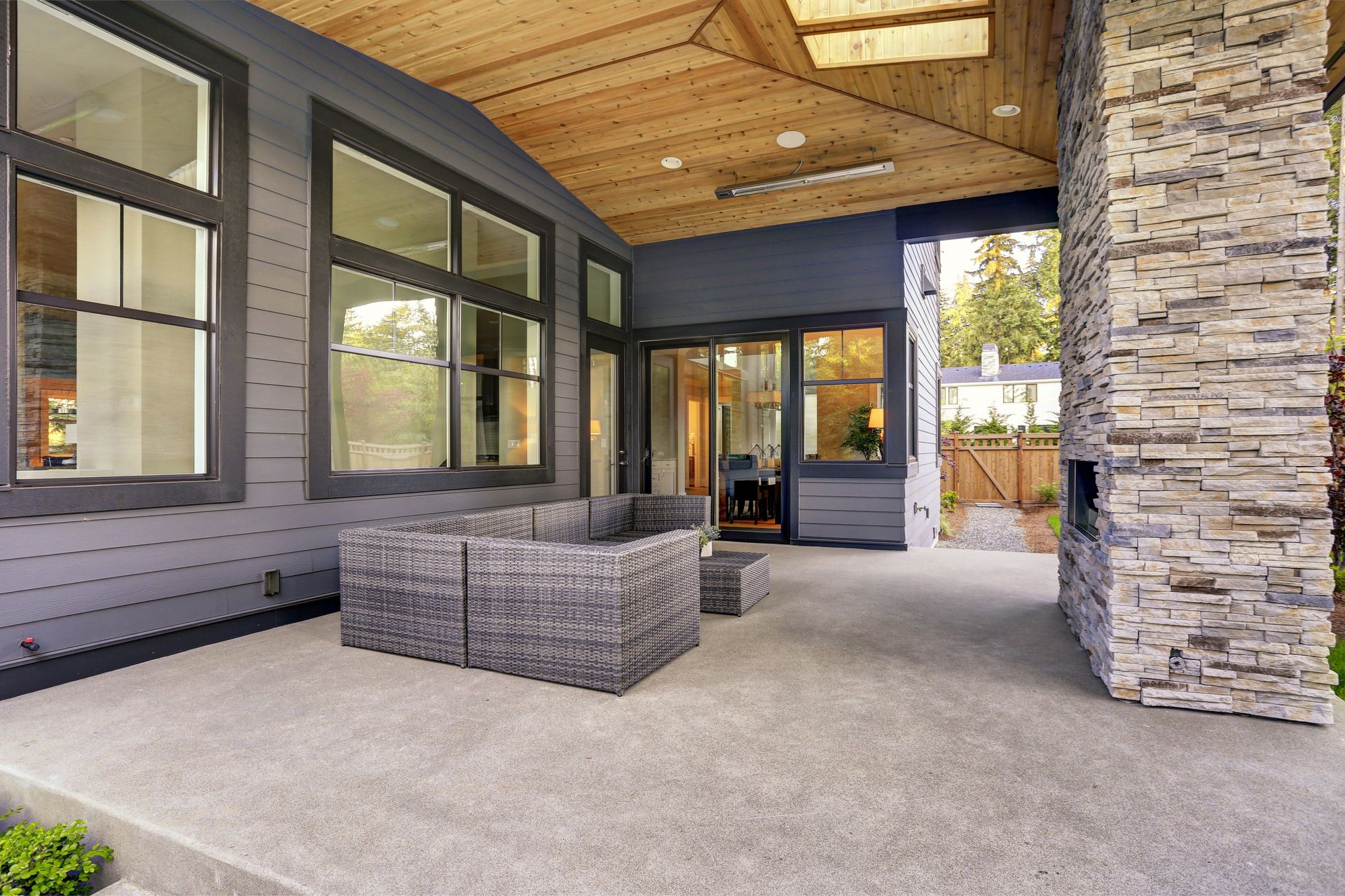
Concrete is one of the most durable materials used around the home, but it isn't permanent. According to The Spruce, a concrete patio has an average lifespan of approximately 25 years. Actual lifespan depends on how well the slab was built, the soil beneath it, the climate, and how it's used and cared for. Surfaces that are cleaned, protected, and repaired on time tend to hold up longer than those that are ignored. Knowing that concrete needs attention over its life is the first step toward getting the most from it. A little planning early on can add years to the life of a driveway, patio, or walkway.
Cleaning Surfaces Regularly
Dirt, leaves, and debris trap moisture against the surface and can lead to stains, slippery spots, and even algae growth. Sweeping often and rinsing with a hose are easy ways to keep concrete tidy. For tougher stains, a mild detergent and a stiff brush usually work well. Be careful with strong chemicals, since some can damage the surface or harm nearby plants. Pressure washing can be effective, but too much pressure can etch the surface, so it's wise to ask a concrete contractor about the right approach for your slab. Regular cleaning also makes it easier to spot problems early. It keeps surfaces safer too, since algae and wet leaves can make walkways slippery.
Sealing and Protecting the Surface
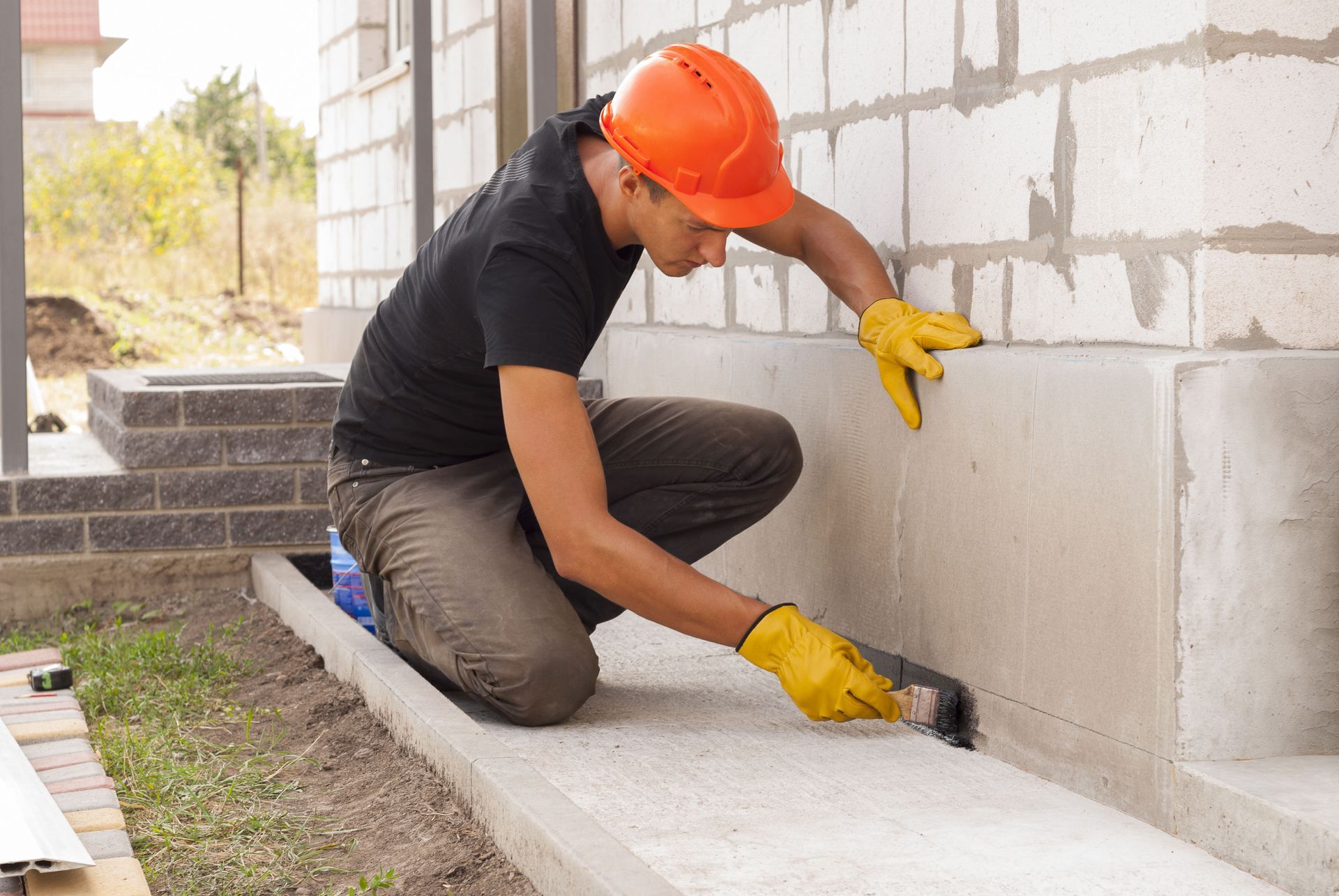
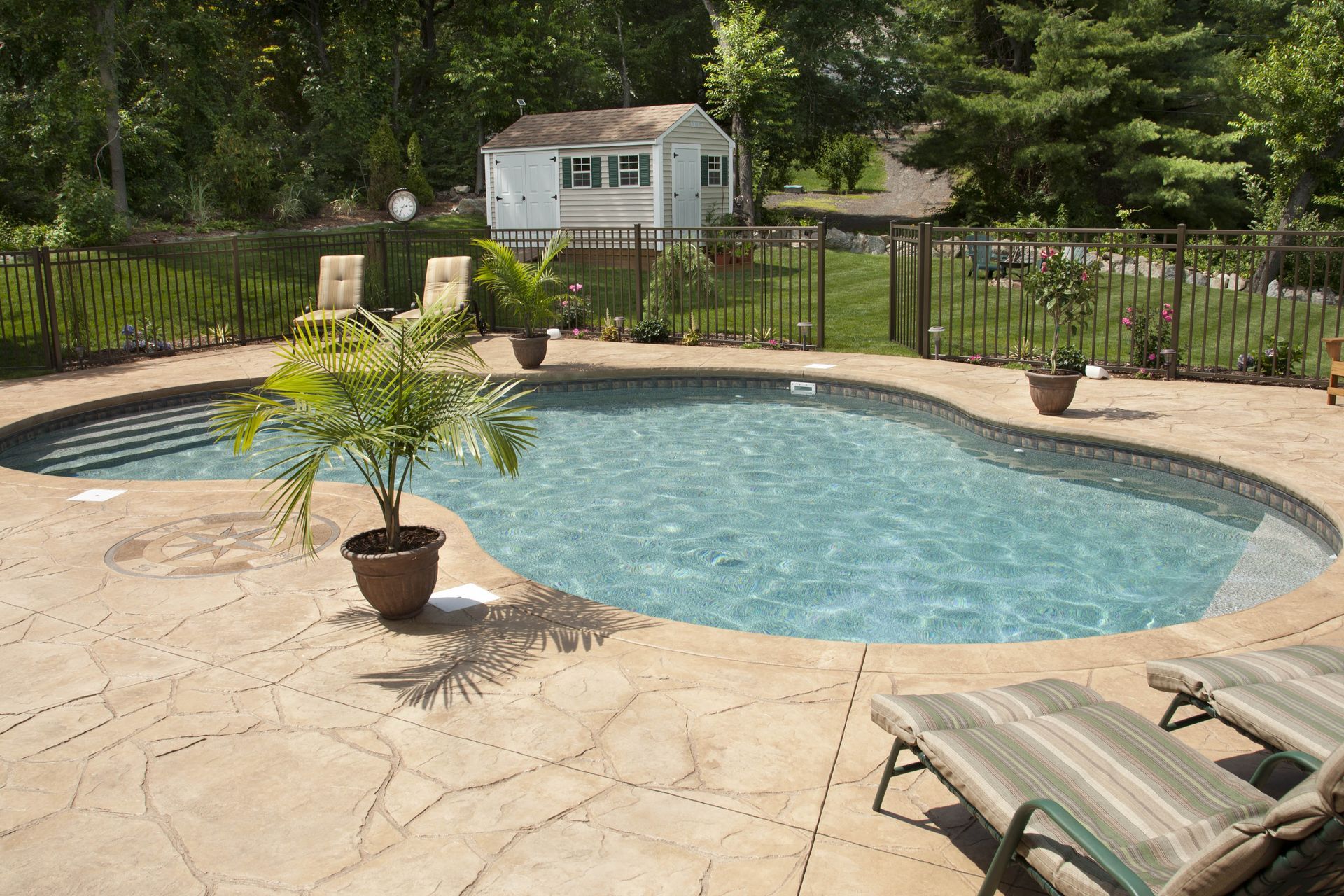
Concrete is porous, which means water, oil, and salts can soak in over time. A sealer can help reduce that absorption and protect against stains and freeze-thaw damage, though the right product depends on the type of surface and how it's used. Some surfaces, such as decorative concrete, may need specific products to keep their look. How often a sealer needs to be reapplied varies, so ask your installer for guidance. Applying a sealer on the wrong schedule or in the wrong conditions can lead to poor results. A concrete contractor like ours can help you decide whether sealing makes sense for your project.
Watching for Cracks and Settling
Hairline cracks are common in concrete and often harmless, but larger or growing cracks deserve attention. Marking the ends of a crack with a pencil and noting the date can help you tell whether it's changing. Water can seep in, freeze, and expand, making a small crack bigger over time. Uneven slabs, sunken sections, and gaps between pieces may signal problems with the soil underneath. Walk your property every few months and look for changes, taking photos so you can compare over time. Trip hazards on walkways should be addressed quickly for safety reasons. If you're unsure whether a crack is serious, a concrete contractor can take a look and recommend next steps.
Managing Water and Drainage
Water is concrete's biggest enemy over the long run. Pooling water can lead to staining, surface damage, and soil erosion beneath the slab. Check that downspouts, gutters, and grading direct water away from driveways, patios, and foundations. Keep drains clear of leaves and debris so water doesn't back up. Sprinklers that spray directly on concrete can leave mineral deposits and encourage algae. If you notice water collecting in the same spots after every rain, it may be a sign that grading or drainage needs attention. Good drainage protects both your surfaces and your foundation. A quick check after a heavy rain can show you where water is going.
Handling Winter and Deicing Carefully
Cold weather can be hard on concrete, especially in places with repeated freezing and thawing. Water that seeps into the surface expands as it freezes and can cause flaking, scaling, and cracks. Be cautious with deicing products, since some can damage concrete, particularly on newer slabs. Shoveling snow promptly reduces the amount of ice that forms, and a plastic shovel is gentler on the surface than a metal one. Sand can add traction without the harsher effects of some salts. Sweeping it up in spring keeps it from scratching the surface. If you're unsure which products are safe for your surface, check with the installer, especially in the first year after a new pour. Newly poured concrete continues to cure for weeks, so extra care early on matters.
Preventing Stains and Heavy Loads
Oil, grease, rust, and spilled chemicals can leave lasting marks if they sit on concrete. Wipe up spills quickly, and use drip pans under vehicles that leak. Concrete is strong, but it's designed for particular loads, so be cautious about parking heavy equipment, trailers, or delivery trucks on surfaces that weren't built for them. Driveways and patios have different thicknesses and base preparation, and a patio may not handle the same weight as a driveway. Furniture, planters, and grills usually cause no problems, but moving heavy items by dragging can scratch the surface. A little care goes a long way. Setting rules for where heavy vehicles can park helps protect your investment.
Addressing Repairs Promptly
Small problems rarely stay small. A minor crack, a chipped edge, or a low spot can grow quickly when water and weather get involved. Repairing issues early is usually less expensive and less disruptive than waiting for a major failure. It also helps keep surfaces safe for family, customers, and visitors. Some repairs are best left to professionals, since the right materials and techniques matter for a lasting fix. Whether the issue is a damaged driveway, a sunken walkway, or a worn surface, a trained crew can recommend repair or restoration based on the condition of the slab. Our concrete contractor team offers driveway repair as well as concrete repair and restoration for residential and commercial properties.
Partnering With a Local Professional
The best maintenance plan starts with good information. Ask your installer how to care for your specific surface, and keep any paperwork or guidance you receive. A local professional understands the soil, climate, and weather in your area, which affects how concrete performs. Consider asking for a periodic checkup, especially for large or heavily used surfaces. A free consultation is a good chance to talk through your concerns and plan for the future. Choosing a concrete contractor who stands behind the work, including a workmanship guarantee, gives you someone to call if questions come up later. That ongoing relationship makes it easier to keep up with care year after year.
At Kettler Excavating & Concrete, we've been serving homeowners and businesses in St. Louis, Missouri, and Metro East, Illinois, for more than 15 years from our base in Columbia, Illinois. We offer residential and commercial concrete, including driveways, patios, sidewalks, walkways, decorative concrete, and custom countertops, along with concrete repair and restoration, foundations, demolition, excavation, site preparation, and commercial snow removal. We provide free estimates, a one-year workmanship guarantee, and a veterans discount, with terms that apply. Contact Kettler Excavating & Concrete today to request your free estimate.